
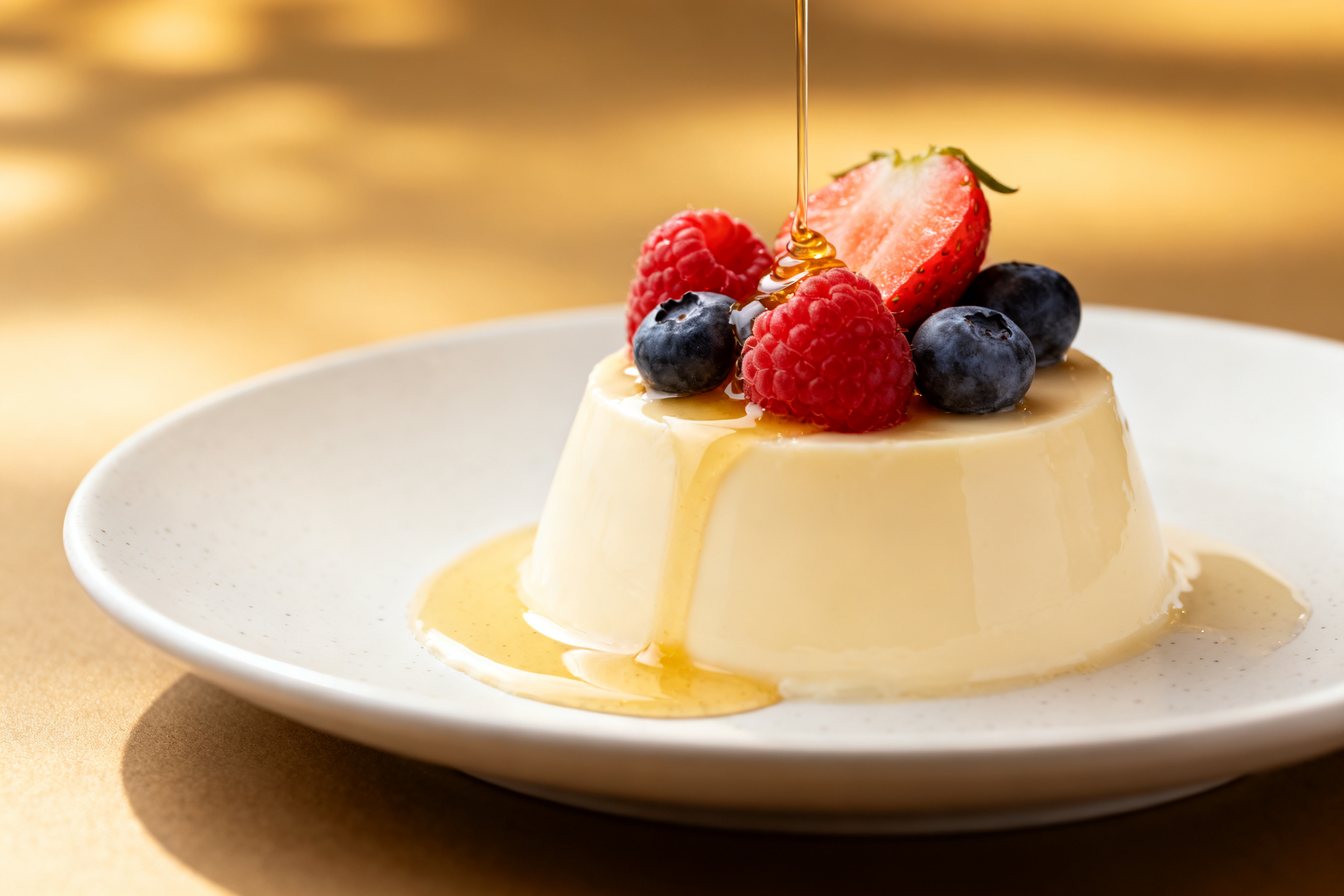
Panna Cotta
Panna cotta is one of those desserts that looks fancy but is surprisingly simple to make. It’s creamy, smooth, lightly sweet, and carries flavors beautifully. Whether you serve it plain, with fresh berries, or a bright fruit sauce, it always feels special.
You can make it ahead, pull it from the fridge when guests arrive, and look like a pro. If you’re new to desserts with gelatin, don’t worry, this guide keeps things clear and easy.
What Makes This Recipe So Good
- Silky texture: Properly bloomed gelatin sets the cream to a soft, delicate wobble—never rubbery.
- Balanced sweetness: It’s gently sweet, letting vanilla and any toppings shine.
- Low effort, big payoff: Minimal cooking, simple steps, and an elegant result.
- Make-ahead friendly: Sets in the fridge, so it’s perfect for entertaining or prepping dessert in advance.
- Endlessly adaptable: Swap dairy, infuse flavors, or change toppings to suit the season.
Ingredients
- Heavy cream: The base that gives panna cotta its rich, silky body.
- Whole milk: Lightens the texture and flavor. You can use all cream for extra richness.
- Granulated sugar: Just enough to sweeten without overwhelming.
- Unflavored powdered gelatin: Sets the mixture to that perfect soft jiggle.
- Vanilla: Use extract or, for a deeper flavor, a scraped vanilla bean.
- Pinch of salt: Balances the sweetness and brightens flavor.
- Optional toppings: Fresh berries, berry coulis, caramel sauce, honey, citrus zest, or toasted nuts.
Basic Pantry Measurements (For 6 Servings):
- 2 cups heavy cream
- 1 cup whole milk
- 1/2 cup granulated sugar
- 2 1/4 teaspoons powdered gelatin (one standard envelope)
- 1 1/2 teaspoons vanilla extract (or seeds from 1 vanilla bean)
- Pinch of fine salt
Step-by-Step Instructions
1. Bloom the gelatin: Add 1/4 cup of the cold milk to a small bowl.
Sprinkle the gelatin evenly over the surface. Let it stand 5–10 minutes until spongy and absorbed. This step prevents lumps and ensures a smooth set.
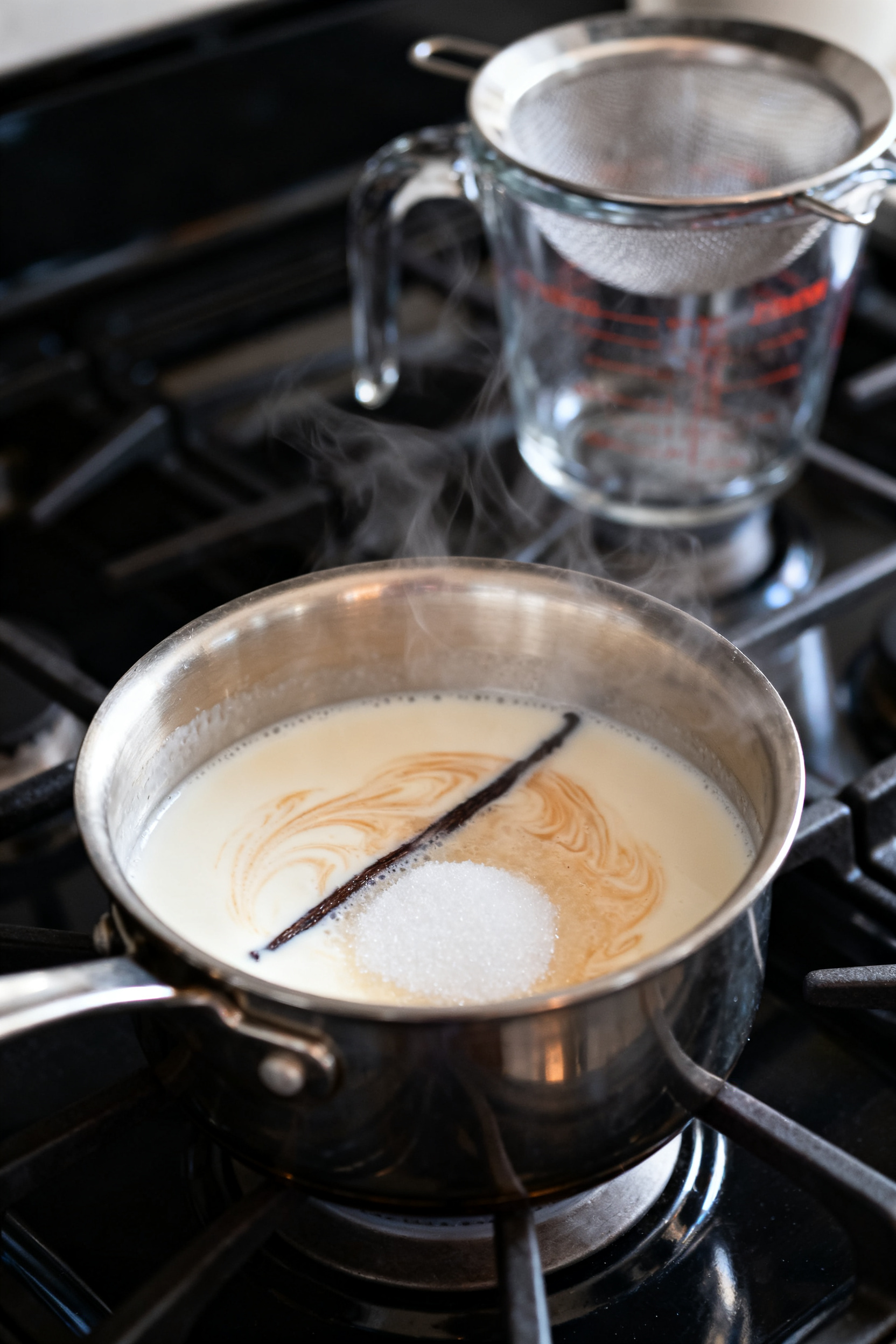
2. Warm the dairy: In a saucepan, combine the remaining milk, heavy cream, sugar, and a pinch of salt.
If using a vanilla bean, split it and scrape the seeds into the pot, then add the pod. Heat over medium, stirring, until the sugar dissolves and the mixture is steaming, about 5–7 minutes. Do not boil.
3. Melt in the gelatin: Remove the saucepan from heat.
Add the bloomed gelatin and whisk gently until completely dissolved. If using vanilla extract instead of a bean, stir it in now.
4. Strain for smoothness: Pour the mixture through a fine-mesh sieve into a large measuring cup or bowl with a spout. This catches any undissolved bits or bean pod and ensures a silky texture.
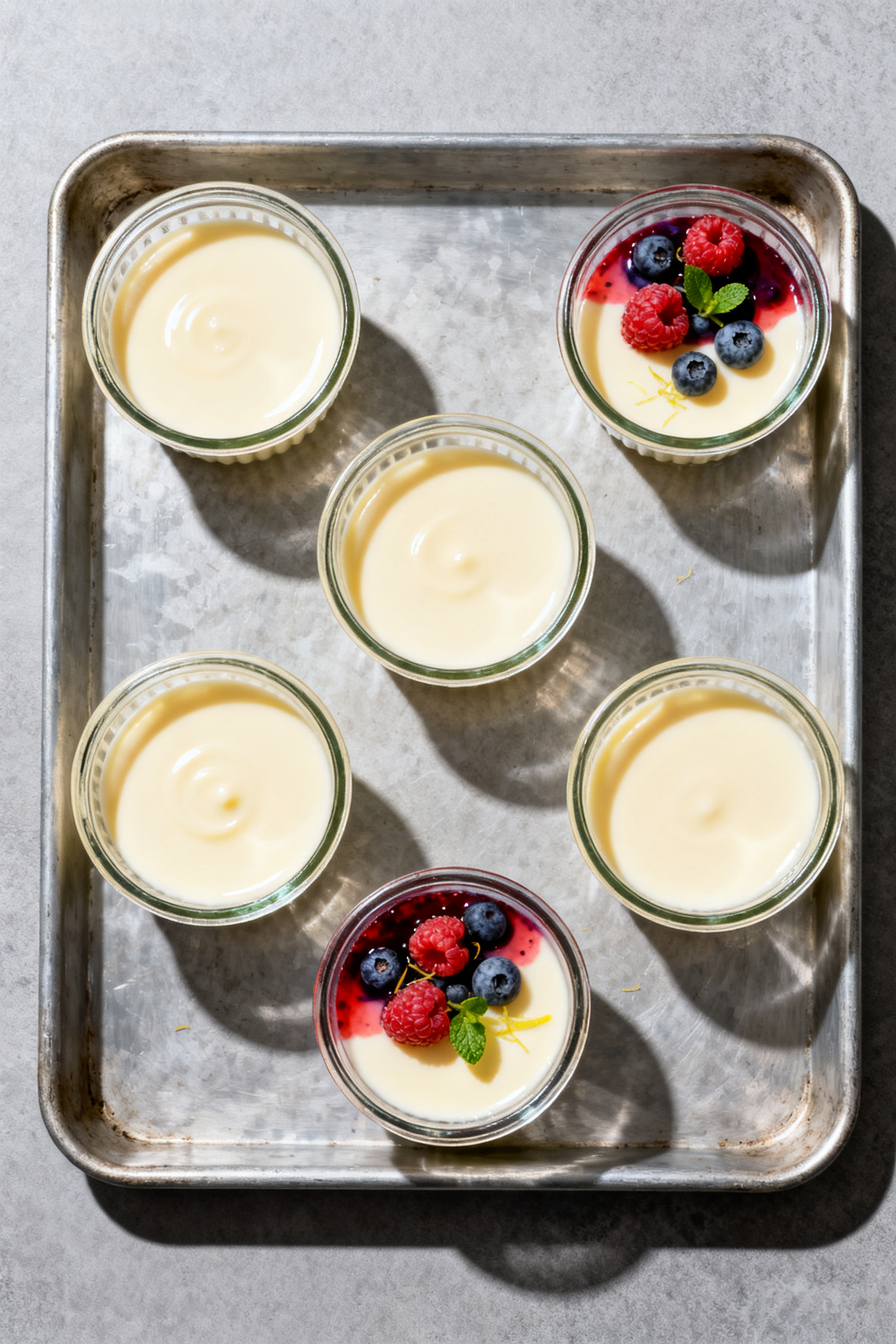
5. Pour into molds: Divide the mixture among six small ramekins, glasses, or silicone molds.
Leave a little headspace for toppings later.
6. Chill to set: Let them cool on the counter for 10–15 minutes, then cover and refrigerate for at least 4 hours, preferably overnight. They should have a delicate wobble when set.
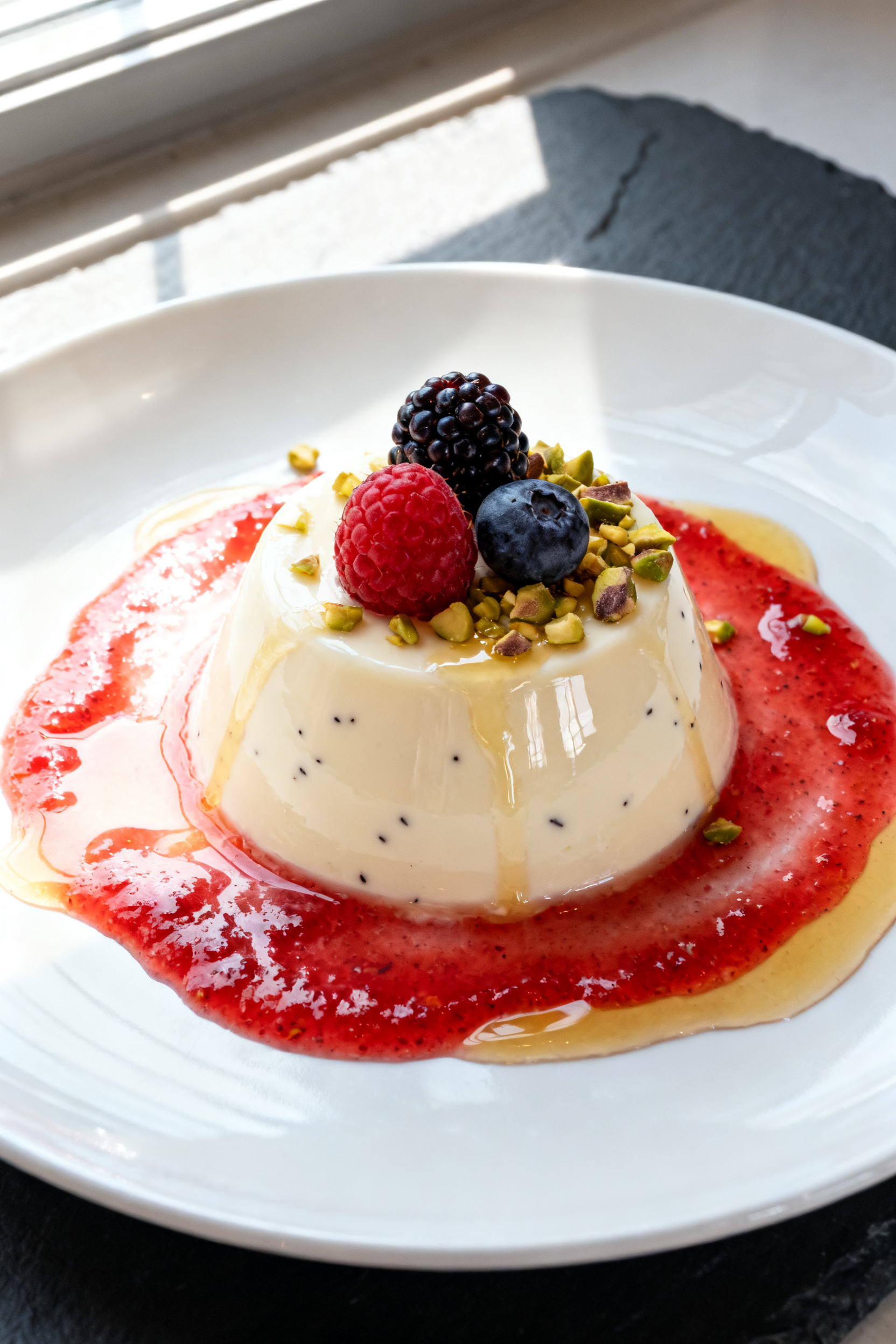
7. Unmold (optional): To release from ramekins, dip the bottoms briefly in warm water, then run a thin knife around the edge and invert onto a plate. If serving in glasses, simply add toppings and serve as is.
8. Garnish and serve: Top with fresh berries, a fruit coulis, a drizzle of honey, or a spoonful of salted caramel.
Serve cold.
Keeping It Fresh
Store panna cotta covered in the refrigerator for up to 3 days. Keep toppings separate until just before serving to preserve texture and color. If you’re stacking or transporting, cover each serving tightly to avoid absorbing fridge odors.
For best flavor, let it sit at room temperature for 5 minutes before serving—just enough to take the chill off.
Why This is Good for You
Panna cotta is a treat, but it’s a sensible one. Gelatin provides protein and gives that delicate set without heavy thickeners. Because the dessert is rich, portions are naturally small, which can help with moderation. You can also dial in the sweetness and keep the sugar level lower than many other desserts.
Pairing with berries adds natural fiber and brightness without extra heaviness.
Common Mistakes to Avoid
- Boiling the mixture: High heat can weaken gelatin and change the texture. Keep it just below a simmer.
- Skipping the bloom: Adding dry gelatin to hot liquid leads to lumps and uneven setting. Always bloom first.
- Not dissolving gelatin fully: If you see grains or feel grit, warm gently and whisk until perfectly smooth.
- Using too much gelatin: More is not better.
Over-gelatinized panna cotta turns rubbery. Stick to the measured amount.
- Rushing the chill time: It needs several hours to set properly. Plan ahead for best results.
- Overpowering flavors: Strong extracts or too much citrus juice can dominate.
Keep flavors balanced and subtle.
Variations You Can Try
- Vanilla bean classic: Use a whole vanilla bean for a deeper, aromatic flavor and those pretty specks.
- Buttermilk panna cotta: Replace half the milk with buttermilk and stir it in off heat. Tangy and refreshing.
- Coconut version: Swap milk for full-fat coconut milk and use part coconut cream. Great with mango or pineapple.
- Coffee or espresso: Stir in 1–2 shots of cooled espresso after dissolving the gelatin.
Top with shaved chocolate.
- Yogurt swirl: Fold in plain Greek yogurt once the mixture cools slightly. Adds tang and lightness.
- Citrus lift: Add zest of lemon or orange to the warm cream. Strain before chilling; serve with a citrus compote.
- Chocolate panna cotta: Whisk in 3–4 ounces of chopped dark chocolate until melted and smooth for a richer dessert.
- Herbal notes: Gently steep basil, mint, or lavender in the warm cream, then strain.
Keep it subtle.
FAQ
Can I make panna cotta without gelatin?
Yes. You can use agar-agar, a plant-based gelling agent. It sets more firmly and at room temperature, so use less and follow package directions.
Expect a slightly different texture—firmer and less creamy than gelatin-based versions.
How do I fix panna cotta that didn’t set?
If it’s still liquid after 8 hours, the gelatin may not have dissolved or the ratio was off. You can gently rewarm the mixture, whisk in a small amount of newly bloomed gelatin, strain, and reset. Next time, measure carefully and avoid boiling.
Can I reduce the sugar?
Absolutely.
You can drop the sugar to 1/3 cup for a lightly sweet dessert. Keep in mind that less sugar may make flavors feel sharper, so balance with vanilla and a naturally sweet topping like ripe berries.
What’s the best way to serve it for guests?
Set it in small glasses for a clean, modern look, then garnish just before serving. Alternatively, unmold onto chilled plates, add a bright sauce, and finish with a little crunch—like crushed pistachios or almond brittle—for contrast.
Why is my panna cotta grainy?
Graininess usually comes from undissolved gelatin or overheated dairy causing proteins to tighten.
Warm gently and whisk until smooth, and always strain before chilling. Blooming the gelatin properly prevents most texture issues.
Can I freeze panna cotta?
Freezing isn’t ideal. The texture can become icy or weep after thawing.
It’s best made fresh and kept in the fridge for a few days. If you must, freeze without toppings and thaw slowly in the fridge, but expect some separation.
What size servings work best?
Small is key. Aim for 1/2 cup per person.
It’s rich, so a modest portion with a bold, tangy topping feels perfectly satisfying.
Final Thoughts
Panna cotta delivers elegance without the stress. With a handful of ingredients and a calm, careful approach, you can create a dessert that’s smooth, lightly sweet, and endlessly adaptable. Keep the heat gentle, bloom your gelatin, and allow time to chill.
Then add a simple topping, serve cold, and enjoy that perfect, silky wobble every time.
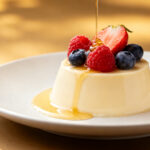
Panna Cotta
Ingredients
- Heavy cream: The base that gives panna cotta its rich, silky body.
- Whole milk: Lightens the texture and flavor. You can use all cream for extra richness.
- Granulated sugar: Just enough to sweeten without overwhelming.
- Unflavored powdered gelatin: Sets the mixture to that perfect soft jiggle.
- Vanilla: Use extract or, for a deeper flavor, a scraped vanilla bean.
- Pinch of salt: Balances the sweetness and brightens flavor.
- Optional toppings: Fresh berries, berry coulis, caramel sauce, honey, citrus zest, or toasted nuts.
- 2 cups heavy cream
- 1 cup whole milk
- 1/2 cup granulated sugar
- 2 1/4 teaspoons powdered gelatin (one standard envelope)
- 1 1/2 teaspoons vanilla extract (or seeds from 1 vanilla bean)
- Pinch of fine salt
Instructions
- Bloom the gelatin: Add 1/4 cup of the cold milk to a small bowl. Sprinkle the gelatin evenly over the surface. Let it stand 5–10 minutes until spongy and absorbed. This step prevents lumps and ensures a smooth set.
- Warm the dairy: In a saucepan, combine the remaining milk, heavy cream, sugar, and a pinch of salt. If using a vanilla bean, split it and scrape the seeds into the pot, then add the pod. Heat over medium, stirring, until the sugar dissolves and the mixture is steaming, about 5–7 minutes. Do not boil.
- Melt in the gelatin: Remove the saucepan from heat. Add the bloomed gelatin and whisk gently until completely dissolved. If using vanilla extract instead of a bean, stir it in now.
- Strain for smoothness: Pour the mixture through a fine-mesh sieve into a large measuring cup or bowl with a spout. This catches any undissolved bits or bean pod and ensures a silky texture.
- Pour into molds: Divide the mixture among six small ramekins, glasses, or silicone molds. Leave a little headspace for toppings later.
- Chill to set: Let them cool on the counter for 10–15 minutes, then cover and refrigerate for at least 4 hours, preferably overnight. They should have a delicate wobble when set.
- Unmold (optional): To release from ramekins, dip the bottoms briefly in warm water, then run a thin knife around the edge and invert onto a plate. If serving in glasses, simply add toppings and serve as is.
- Garnish and serve: Top with fresh berries, a fruit coulis, a drizzle of honey, or a spoonful of salted caramel. Serve cold.
Printable Recipe Card
Want just the essential recipe details without scrolling through the article? Get our printable recipe card with just the ingredients and instructions.


