
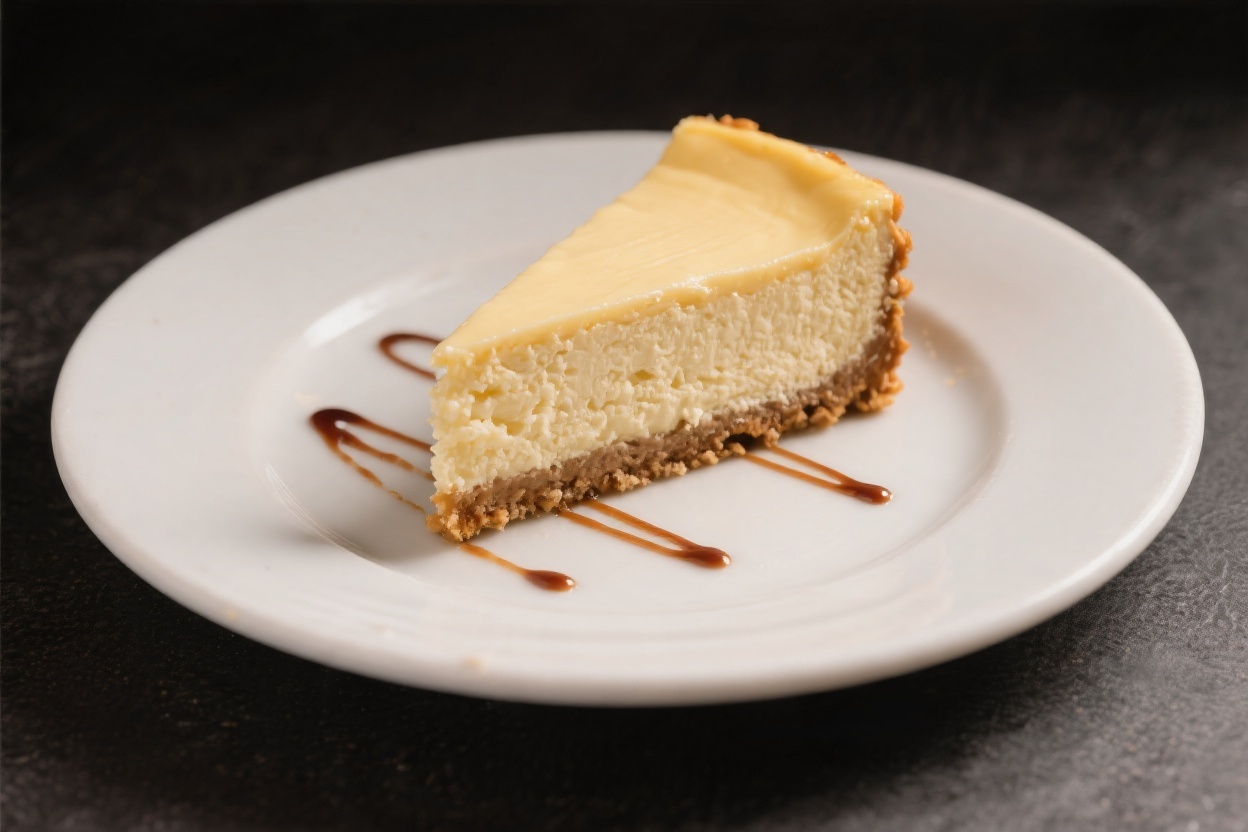
New York Cheesecake
New York cheesecake is the kind of dessert that makes people pause after the first bite. It’s dense yet silky, subtly tangy, and unapologetically rich. The crust brings a gentle crunch, and the filling melts into a smooth, custardy finish.
This version keeps things classic, with clean flavors and a texture that feels like a slice of nostalgia. If you’ve been intimidated by cheesecake, don’t worry—this guide keeps it simple and stress-free.
What Makes This Special
New York cheesecake stands out for its high ratio of cream cheese to other ingredients, which gives it that signature dense, creamy texture. It also uses heavy cream or sour cream to balance richness with a little tang.
A slow, steady bake helps prevent cracks, and a simple graham cracker crust keeps the spotlight on the filling. You don’t need fancy toppings—just a glossy finish and a clean slice.
Shopping List
- Graham cracker crumbs (about 1 1/2 cups)
- Unsalted butter (5 tablespoons, melted)
- Granulated sugar (1 cup, divided—plus 2 tablespoons for the crust)
- Full-fat cream cheese (32 ounces, room temperature)
- Sour cream (1 cup, room temperature)
- Heavy cream (1/2 cup)
- Large eggs (4, room temperature)
- Vanilla extract (2 teaspoons)
- Fresh lemon zest (about 1 teaspoon) and lemon juice (1 tablespoon)
- Fine sea salt (1/4 teaspoon)
- All-purpose flour or cornstarch (2 tablespoons; optional for extra stability)
- Foil (extra-wide, heavy-duty for wrapping the pan)
- 9-inch springform pan
Instructions
- Prep your pan and oven. Heat the oven to 325°F (163°C). Wrap the outside of a 9-inch springform pan with two layers of heavy-duty foil, covering the base and sides.
This keeps water out during the bake.
- Make the crust. In a bowl, combine graham cracker crumbs, 2 tablespoons sugar, and melted butter. Stir until the crumbs are evenly moistened and clump slightly when pressed.
- Press and pre-bake. Press the mixture firmly into the bottom of the pan and slightly up the sides. Use the bottom of a measuring cup for an even layer.
Bake for 10 minutes, then cool on a rack while you make the filling.
- Beat the cream cheese. In a stand mixer or with a hand mixer, beat the cream cheese on medium speed for 2–3 minutes until smooth and fluffy. Scrape the bowl and paddle often to avoid lumps.
- Add sugar and salt. Beat in 1 cup granulated sugar and the salt until fully dissolved and glossy. Keep the mixer on medium-low to prevent too much air.
- Blend in sour cream, heavy cream, vanilla, and lemon. Mix in sour cream, heavy cream, vanilla extract, lemon zest, and lemon juice until smooth.
If using flour or cornstarch, sift it in now and mix just to combine.
- Add eggs gently. Add the eggs one at a time on low speed, mixing just until incorporated after each. Do not overmix. The batter should be silky and thick, with no visible streaks.
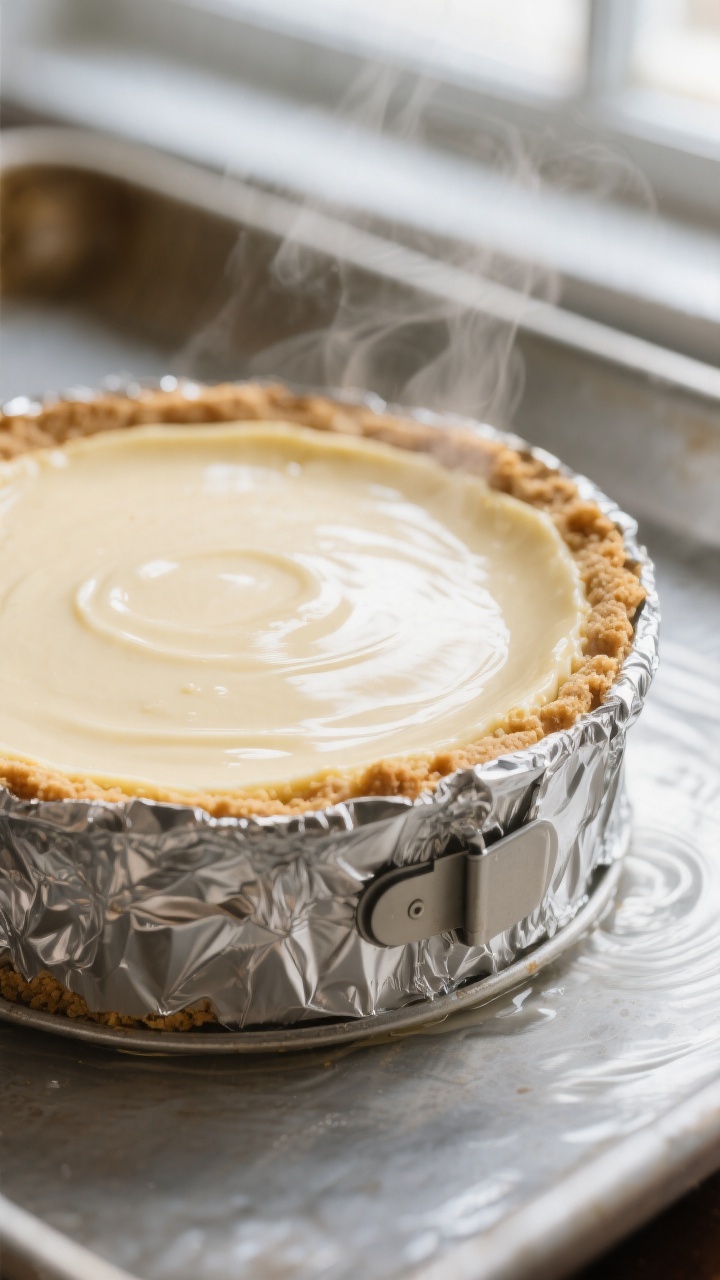
- Prepare a water bath. Place the foil-wrapped pan into a large roasting pan.
Pour the cheesecake batter into the crust. Tap the pan gently to release bubbles. Pour hot water into the roasting pan, reaching about halfway up the springform’s sides.
- Bake low and slow. Bake at 325°F for 60–75 minutes.
The edges should look set, and the center should have a slight wobble (like Jell-O). Avoid overbaking—carryover heat will finish the job.
- Cool gradually. Turn off the oven, crack the door, and let the cheesecake sit inside for 45–60 minutes. This gradual cooling helps prevent cracks.
- Chill completely. Remove from the water bath, discard the foil, and cool to room temperature on a rack.
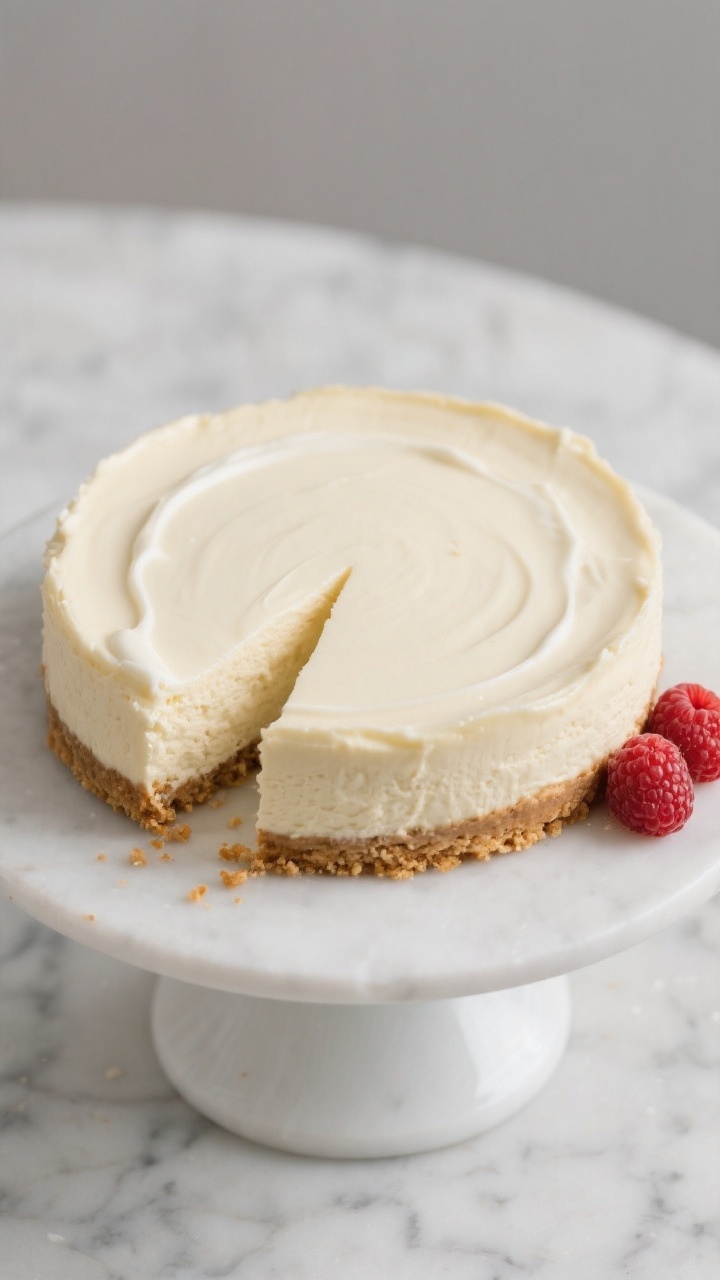
Run a thin knife around the edge to loosen. Cover and chill for at least 6 hours, preferably overnight, for the best texture.
- Unmold and slice. Release the springform, warm a sharp knife under hot water, wipe dry, and slice cleanly. Repeat the warm-and-wipe for each cut.
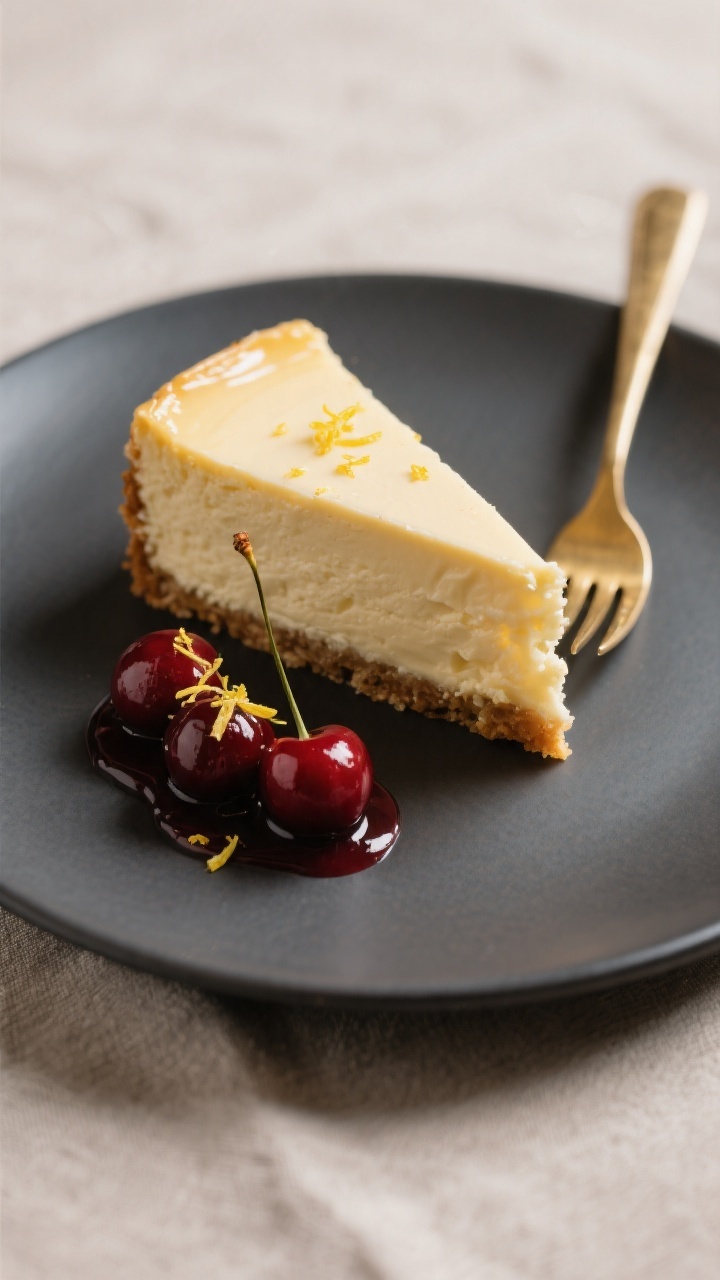
- Serve simply. Enjoy plain, or add a light topping: fresh berries, a thin layer of sour cream mixed with a touch of sugar, or a spoonful of cherry sauce.
How to Store
Keep the cheesecake covered and refrigerated for up to 5 days.
Store slices in an airtight container to prevent fridge odors from affecting the flavor. For longer storage, wrap the whole cake or individual slices tightly in plastic, then foil, and freeze for up to 2 months. Thaw overnight in the fridge for the smoothest texture.
Why This is Good for You
This isn’t a “light” dessert, but it does offer some honest perks.
Cream cheese and eggs provide protein and calcium, and the simple ingredient list skips artificial flavors. A small slice delivers satisfying richness, which can help prevent the urge to overindulge in multiple treats. Balance is the key—pair it with fresh berries for brightness and a little fiber.
Common Mistakes to Avoid
- Cold ingredients. Using cold cream cheese or eggs leads to lumps and overmixing.
Bring everything to room temperature first.
- Overmixing the batter. Too much air creates bubbles and cracks. Mix on low and stop as soon as each ingredient is incorporated.
- Skipping the water bath. Dry heat encourages cracking. The water bath keeps the temperature gentle and even.
- Overbaking. If the center is fully set in the oven, it’s overdone.
Pull it when it still has a soft wobble.
- Rushing the cool-down. A sudden temperature drop can crack the top. Cool gradually, then chill completely.
- Neglecting the pan seal. Thin foil or loose wrapping lets water seep into the crust. Use heavy-duty foil and double-wrap.
- Cutting too soon. Cheesecake needs time to firm up.
Chill at least 6 hours before slicing.
Alternatives
- No water bath method. Bake at 300°F (150°C) without a bath for 80–95 minutes, then turn off the oven and let it sit inside for 1 hour. The texture is slightly firmer but still creamy.
- Crust swaps. Use chocolate wafer crumbs, digestive biscuits, or almond flour mixed with a little sugar and butter for a gluten-free base.
- Lighter twist. Replace half the cream cheese with Neufchâtel and increase sour cream by 1/4 cup. It won’t be as dense, but it stays creamy.
- Citrus lovers. Add more lemon zest and 2 tablespoons juice, or try orange zest and a touch of Grand Marnier for a subtle upgrade.
- Mini cheesecakes. Use a muffin tin with liners.
Bake crusts for 5 minutes, add filling, and bake 18–22 minutes at 300°F. Chill as usual.
- Topping ideas. Fresh berries, macerated strawberries, warm cherry compote, salted caramel, or a thin sour cream glaze (1 cup sour cream + 2 tablespoons sugar + 1 teaspoon vanilla).
FAQ
How Do I Prevent Cracks on Top?
Use room-temperature ingredients, avoid overmixing, bake with a water bath, and cool gradually in the oven with the door cracked. Running a knife around the edge after baking also helps release tension.
Can I Make This Ahead?
Yes.
Cheesecake is actually better the next day. Bake it the day before, chill overnight, and slice right before serving. It keeps well for several days.
What If I Don’t Have a Springform Pan?
You can use a deep 9-inch cake pan lined with a parchment sling.
Unmold carefully once chilled. It’s trickier, but doable.
Do I Need Flour or Cornstarch?
No, but a small amount adds insurance against cracking and makes slicing cleaner. If you prefer a silkier texture, skip it and rely on the water bath and careful baking.
Why Is My Cheesecake Grainy?
Graininess usually comes from overbaking or curdling.
Pull the cheesecake when the center still jiggles, and keep your mixer speed low to avoid excess air.
Can I Skip the Lemon?
Yes, but a little zest and juice brighten the flavor and tame the richness. If you skip lemon, consider an extra 1/2 teaspoon of vanilla for balance.
How Do I Get Clean Slices?
Use a hot, sharp knife. Dip the blade in hot water, wipe dry, slice, and repeat for each cut.
Chilling the cake overnight also helps.
Is a Water Bath Dangerous for Leaks?
Not if you double-wrap with heavy-duty foil. For extra safety, place the springform inside a slightly larger cake pan, then into the roasting pan before adding hot water.
Can I Freeze the Whole Cheesecake?
Absolutely. Freeze it uncut, well-wrapped in plastic and foil.
Thaw overnight in the fridge, then slice. The texture holds up beautifully.
How Many People Does This Serve?
Plan on 12 generous slices, or up to 16 smaller slices if you’re serving other desserts. It’s rich, so smaller pieces go a long way.
Final Thoughts
A New York cheesecake doesn’t need bells and whistles—just good ingredients, gentle heat, and a little patience.
Follow the steps, trust the wobble, and let the fridge do its magic. Whether you top it with berries or keep it plain, you’ll get that classic, velvety slice that never goes out of style. Save the recipe, and make it your go-to showstopper for holidays, birthdays, and cozy weekends alike.
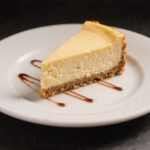
New York Cheesecake – Classic, Creamy, and Unapologetically Rich
Ingredients
- Graham cracker crumbs (about 1 1/2 cups)
- Unsalted butter (5 tablespoons, melted)
- Granulated sugar (1 cup, divided—plus 2 tablespoons for the crust)
- Full-fat cream cheese (32 ounces, room temperature)
- Sour cream (1 cup, room temperature)
- Heavy cream (1/2 cup)
- Large eggs (4, room temperature)
- Vanilla extract (2 teaspoons)
- Fresh lemon zest (about 1 teaspoon) and lemon juice (1 tablespoon)
- Fine sea salt (1/4 teaspoon)
- All-purpose flour or cornstarch (2 tablespoons; optional for extra stability)
- Foil (extra-wide, heavy-duty for wrapping the pan)
- 9-inch springform pan
Instructions
- Prep your pan and oven. Heat the oven to 325°F (163°C). Wrap the outside of a 9-inch springform pan with two layers of heavy-duty foil, covering the base and sides. This keeps water out during the bake.
- Make the crust. In a bowl, combine graham cracker crumbs, 2 tablespoons sugar, and melted butter. Stir until the crumbs are evenly moistened and clump slightly when pressed.
- Press and pre-bake. Press the mixture firmly into the bottom of the pan and slightly up the sides. Use the bottom of a measuring cup for an even layer. Bake for 10 minutes, then cool on a rack while you make the filling.
- Beat the cream cheese. In a stand mixer or with a hand mixer, beat the cream cheese on medium speed for 2–3 minutes until smooth and fluffy. Scrape the bowl and paddle often to avoid lumps.
- Add sugar and salt. Beat in 1 cup granulated sugar and the salt until fully dissolved and glossy. Keep the mixer on medium-low to prevent too much air.
- Blend in sour cream, heavy cream, vanilla, and lemon. Mix in sour cream, heavy cream, vanilla extract, lemon zest, and lemon juice until smooth. If using flour or cornstarch, sift it in now and mix just to combine.
- Add eggs gently. Add the eggs one at a time on low speed, mixing just until incorporated after each. Do not overmix. The batter should be silky and thick, with no visible streaks.
- Prepare a water bath. Place the foil-wrapped pan into a large roasting pan. Pour the cheesecake batter into the crust. Tap the pan gently to release bubbles. Pour hot water into the roasting pan, reaching about halfway up the springform’s sides.
- Bake low and slow. Bake at 325°F for 60–75 minutes. The edges should look set, and the center should have a slight wobble (like Jell-O). Avoid overbaking—carryover heat will finish the job.
- Cool gradually. Turn off the oven, crack the door, and let the cheesecake sit inside for 45–60 minutes. This gradual cooling helps prevent cracks.
- Chill completely. Remove from the water bath, discard the foil, and cool to room temperature on a rack. Run a thin knife around the edge to loosen. Cover and chill for at least 6 hours, preferably overnight, for the best texture.
- Unmold and slice. Release the springform, warm a sharp knife under hot water, wipe dry, and slice cleanly. Repeat the warm-and-wipe for each cut.
- Serve simply. Enjoy plain, or add a light topping: fresh berries, a thin layer of sour cream mixed with a touch of sugar, or a spoonful of cherry sauce.
Printable Recipe Card
Want just the essential recipe details without scrolling through the article? Get our printable recipe card with just the ingredients and instructions.


