

How to Make Butter at Home
Fresh homemade butter is one of those kitchen projects that feels surprisingly satisfying the first time you try it. Watching heavy cream slowly transform into soft golden butter and fresh buttermilk feels almost unreal, yet the process itself is incredibly simple.
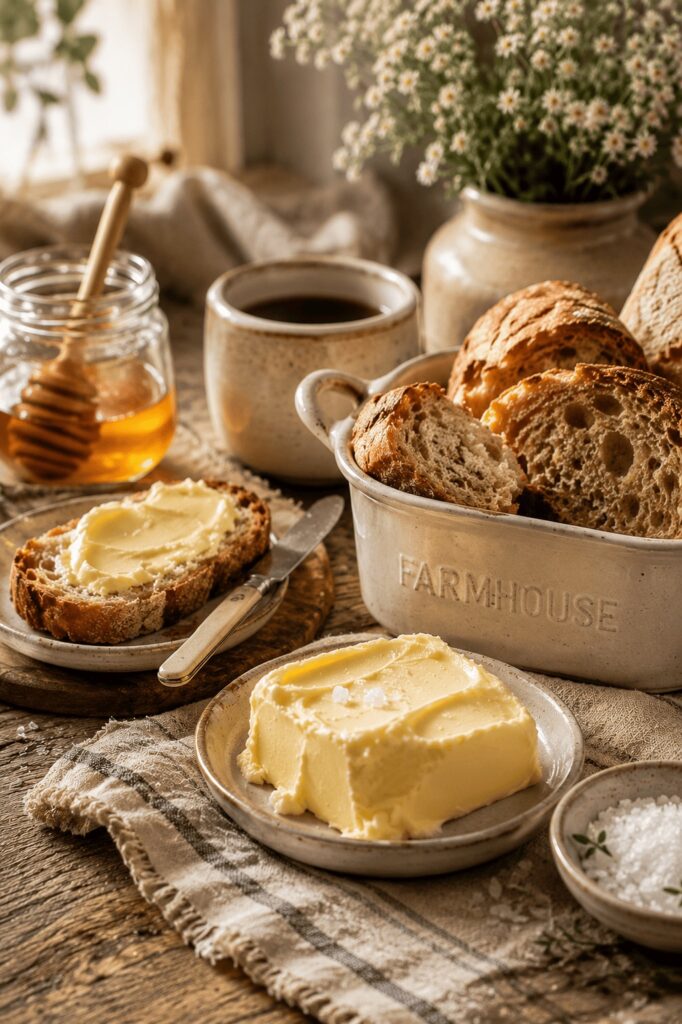
Homemade butter has a richer flavor, fresher texture, and softer consistency than many store-bought versions. It tastes cleaner, creamier, and more natural because you control the ingredients, salt level, and texture from start to finish.
Learning how to make butter at home is less about following a strict recipe and more about understanding the process. Once you know how cream separates and what visual changes to watch for, homemade butter becomes very easy to repeat.
Another reason homemade butter stands out is texture. Fresh butter can be soft and spreadable, firm and sliceable, lightly salted, whipped, or flavored with herbs depending on how it is prepared and stored.
Over time, I found that the best homemade butter depends on a few simple details:
- Using high-quality cream
- Understanding when the butterfat separates
- Washing the butter properly
- Removing enough moisture for better freshness
Once you make butter from scratch, it stops feeling like a recipe and starts feeling like a practical kitchen skill you can use anytime.
Why Homemade Butter Tastes Different
Homemade butter tastes fresher because it contains fewer stabilizers and has not been stored for long periods before reaching your kitchen.
The flavor is richer and more natural, especially when spread over warm bread, toast, pancakes, or biscuits. The texture also feels softer and creamier because fresh butter still contains a small amount of natural moisture before fully chilling.
Many people are surprised by how different homemade butter feels compared to commercial butter. Store-bought butter is designed for consistency and shelf stability, while homemade butter focuses more on freshness and flavor.
Making butter yourself also gives you control over:
- Salt level
- Texture
- Firmness
- Flavor additions
- Freshness
Some people prefer lightly salted butter for everyday use, while others prefer unsalted butter specifically for baking. Homemade butter makes both options easy.
What Happens When Cream Turns Into Butter
Butter forms because the fat inside heavy cream separates from the liquid during mixing.
Heavy cream contains tiny butterfat droplets suspended in liquid. As the cream is whipped, those fat droplets begin colliding and sticking together.
At first, the cream becomes whipped cream because air is incorporated into the mixture. If mixing continues, the whipped cream thickens further and eventually begins separating into:
- Solid butterfat
- Liquid buttermilk
This stage often happens very quickly. One moment the cream looks thick and overwhipped, and seconds later the butter and liquid separate almost completely.
Understanding this process helps homemade butter feel much less intimidating because you know exactly what changes to expect.
Best Cream for Homemade Butter
The quality of the cream affects the final butter more than almost anything else.
Heavy cream or heavy whipping cream works best because it contains enough fat to separate properly into butter.
For the best flavor:
- Use fresh cream
- Choose higher-fat cream if possible
- Avoid unnecessary additives
- Non-ultra-pasteurized cream often creates richer flavor
Ultra-pasteurized cream still works, but the flavor may taste slightly flatter because the cream has been heated more aggressively during processing.
Fresh cream also tends to produce butter with a softer, creamier texture.
Kitchen Equipment Needed
Homemade butter requires very little equipment.
• Stand mixer or hand mixer – The easiest and fastest method
• Large mixing bowl – Helps contain splashing during separation
• Fine mesh strainer – Useful for draining buttermilk
• Silicone spatula or wooden spoon – Helps press excess moisture out
• Bowl of ice water – Important for washing the butter
• Airtight container or parchment paper – For storage
You can also make butter using a jar with a lid, although it requires more shaking and works best for smaller batches.
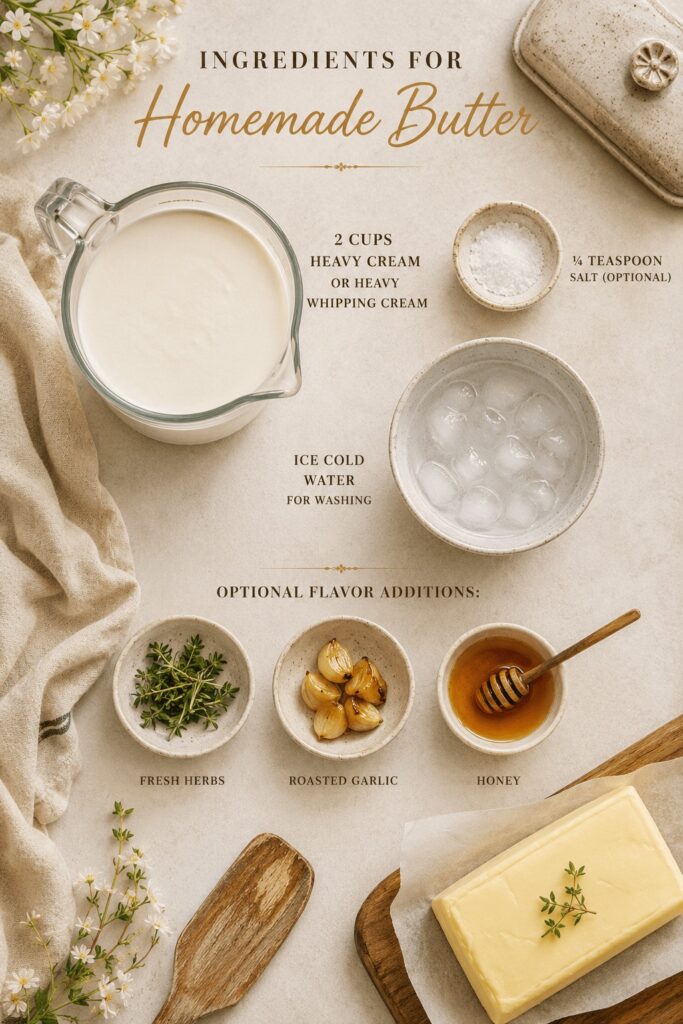
Ingredients for Homemade Butter
• 2 cups heavy cream or heavy whipping cream
• ¼ teaspoon salt (optional)
• Ice cold water for washing
Optional Flavor Additions:
• Fresh herbs
• Roasted garlic
• Honey
• Lemon zest
How to Make Butter at Home
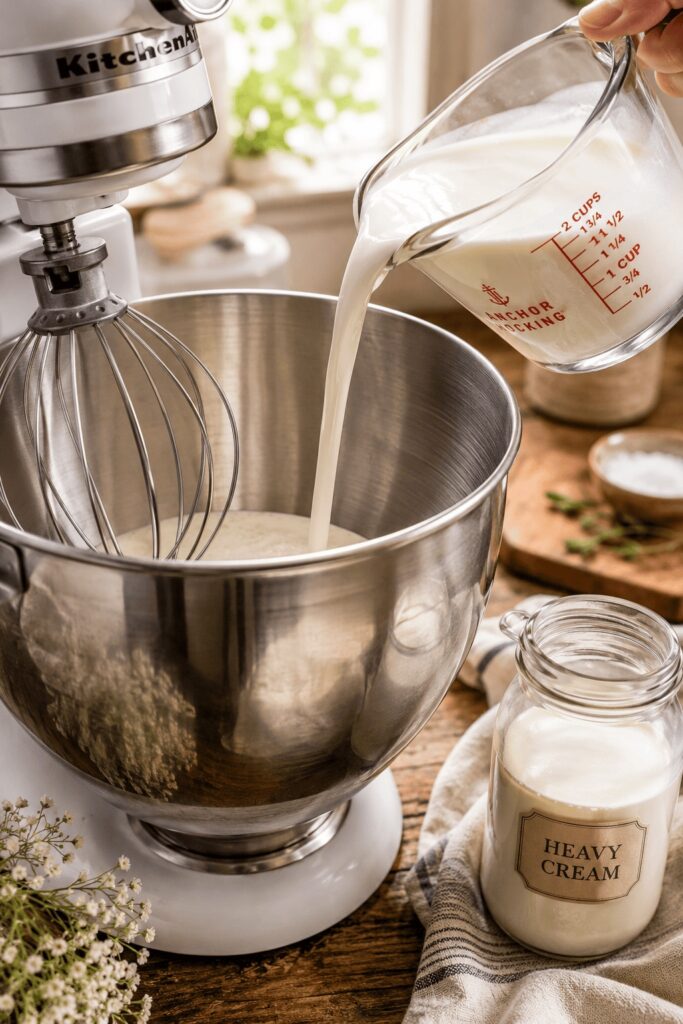
Step 1: Pour the Cream Into a Bowl
Pour cold heavy cream into a large mixing bowl or stand mixer bowl.
Leave enough space in the bowl because the cream expands significantly before separating.
Cold cream generally churns more predictably and creates a smoother final texture.
Step 2: Begin Mixing
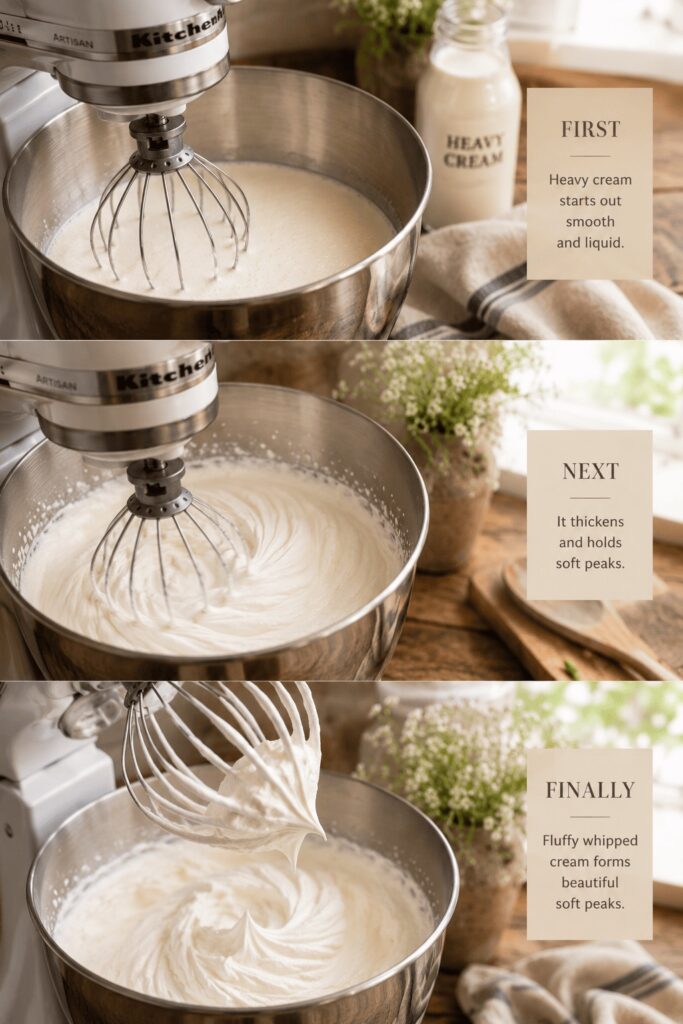
Mix on medium speed.
At first, the cream becomes frothy and slightly thickened. After several minutes, it reaches soft whipped cream consistency.
Continue mixing past this stage.
The cream will gradually become thicker, heavier, and slightly grainy before separation begins.
Step 3: Watch for Butter Separation
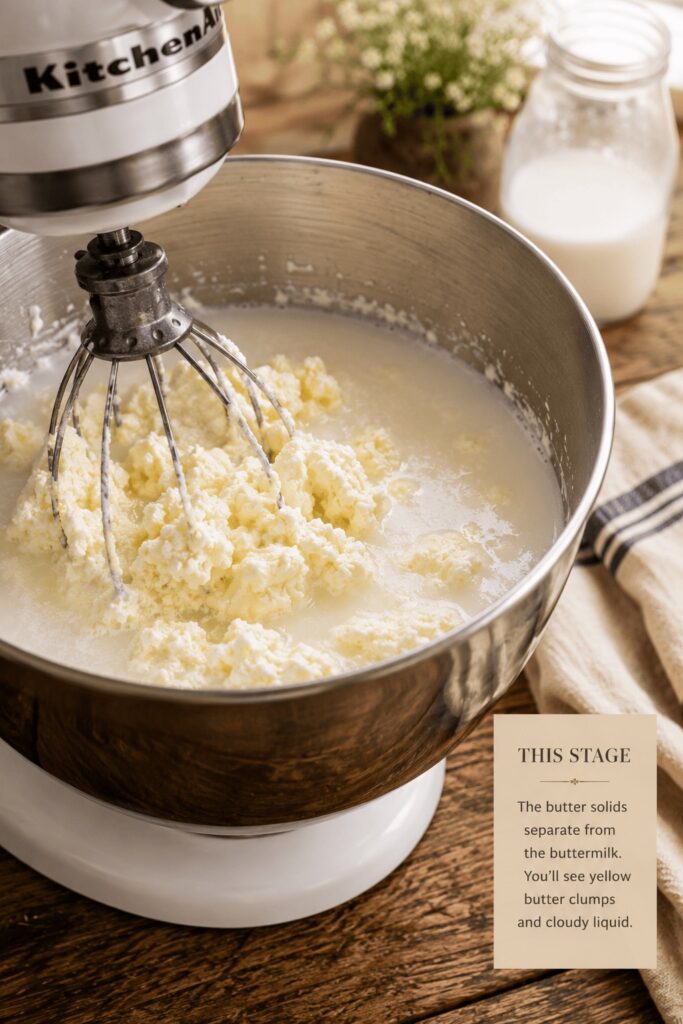
As mixing continues, the cream suddenly separates into yellow butter clumps and cloudy liquid.
This liquid is fresh buttermilk.
Once separation happens, reduce the mixer speed slightly to avoid splashing.
Fresh homemade buttermilk is usually thinner and less tangy than cultured store-bought buttermilk, but it still works beautifully in pancakes, biscuits, cakes, and other baking recipes.
Step 4: Drain the Buttermilk
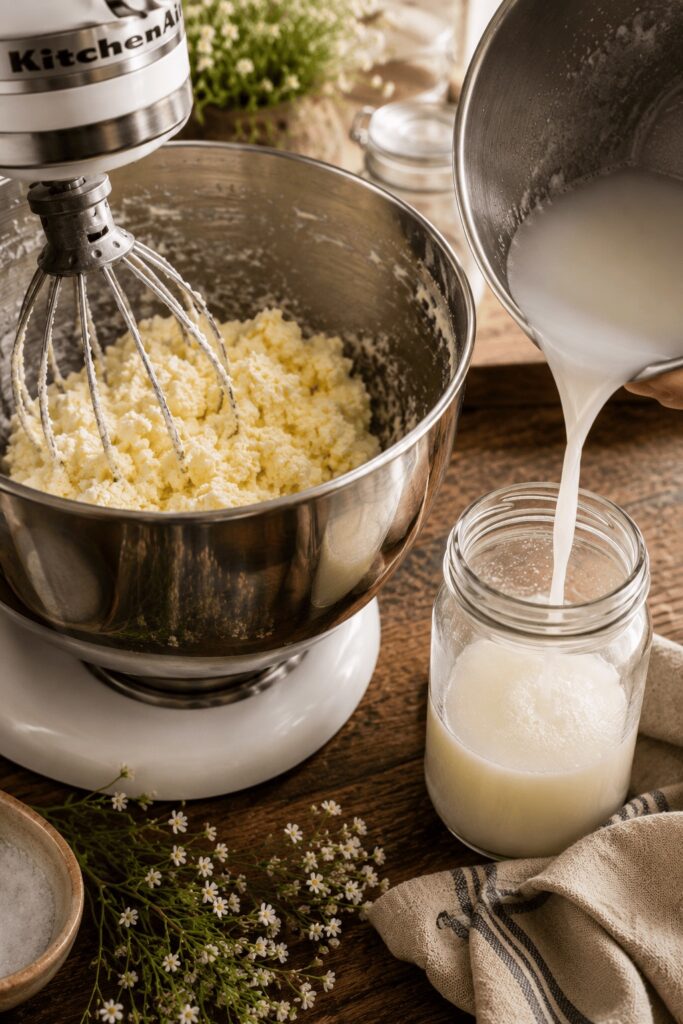
Pour the mixture through a fine mesh strainer to separate the butter from the liquid.
Press gently to remove excess buttermilk.
Removing as much liquid as possible helps the butter stay fresher longer and prevents sour flavors from developing too quickly.
Step 5: Wash the Butter
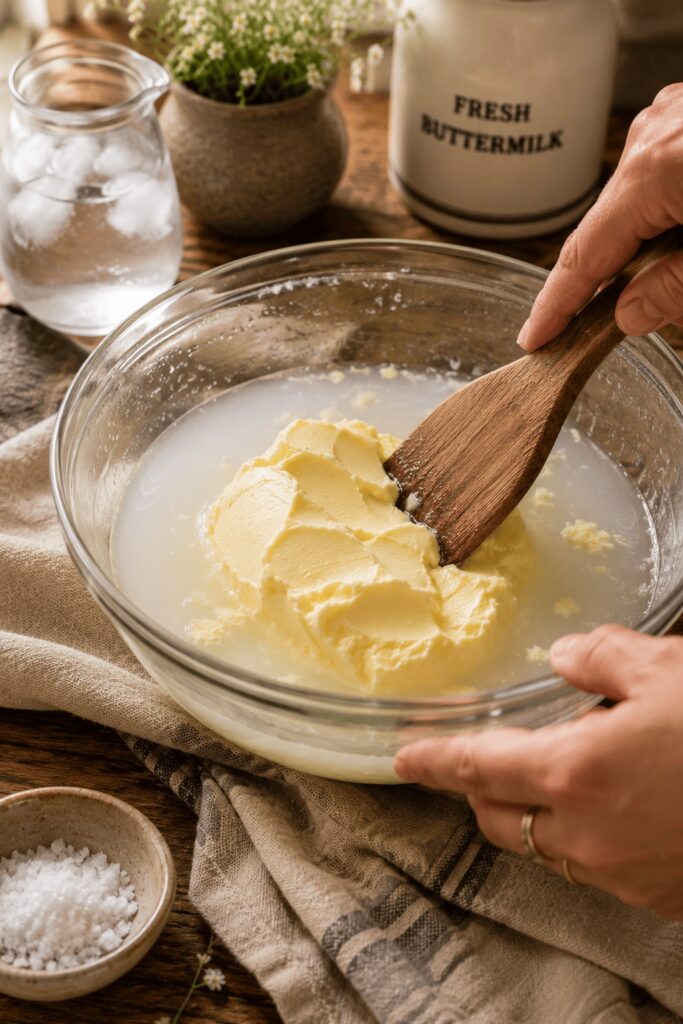
Place the butter into a bowl of ice-cold water.
Gently press and fold the butter with a spatula or spoon. The water may appear cloudy at first as remaining buttermilk releases from the butter.
Drain and repeat with fresh cold water until the water stays mostly clear.
Cold water is important because it helps the butterfat firm up while also removing excess liquid more effectively.
Step 6: Remove Excess Moisture
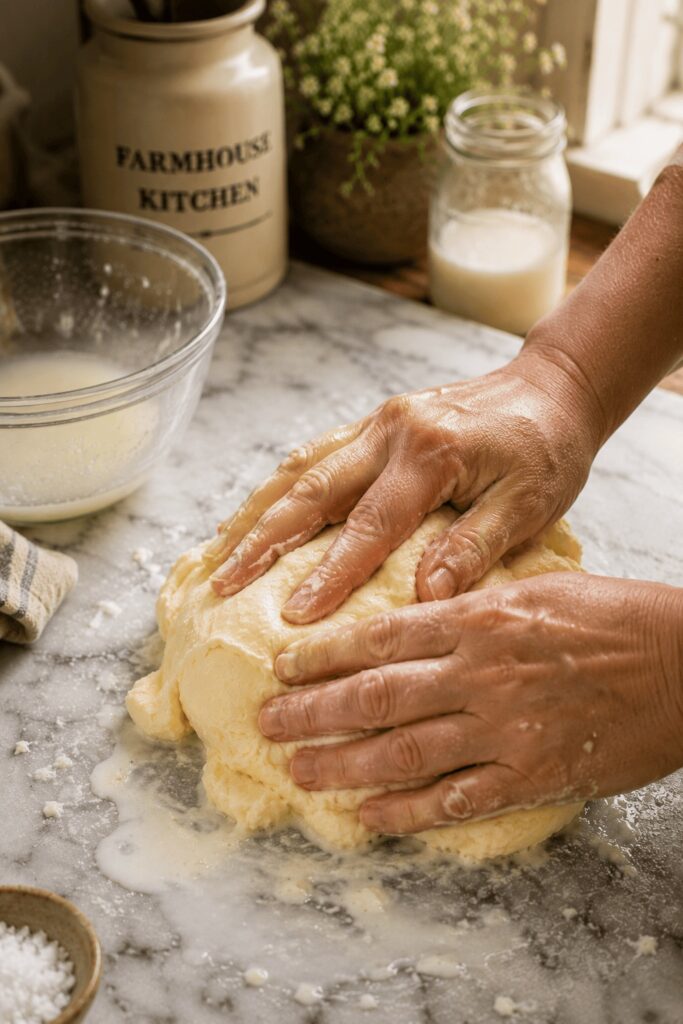
After washing, continue pressing the butter gently to remove trapped water.
This step helps:
- Improve texture
- Increase freshness
- Extend storage life
- Create smoother consistency
Well-finished butter should feel smooth, cohesive, and slightly firm rather than wet or crumbly.
Fresh homemade butter often looks softer than store-bought butter at first because it contains slightly more natural moisture before fully chilling.
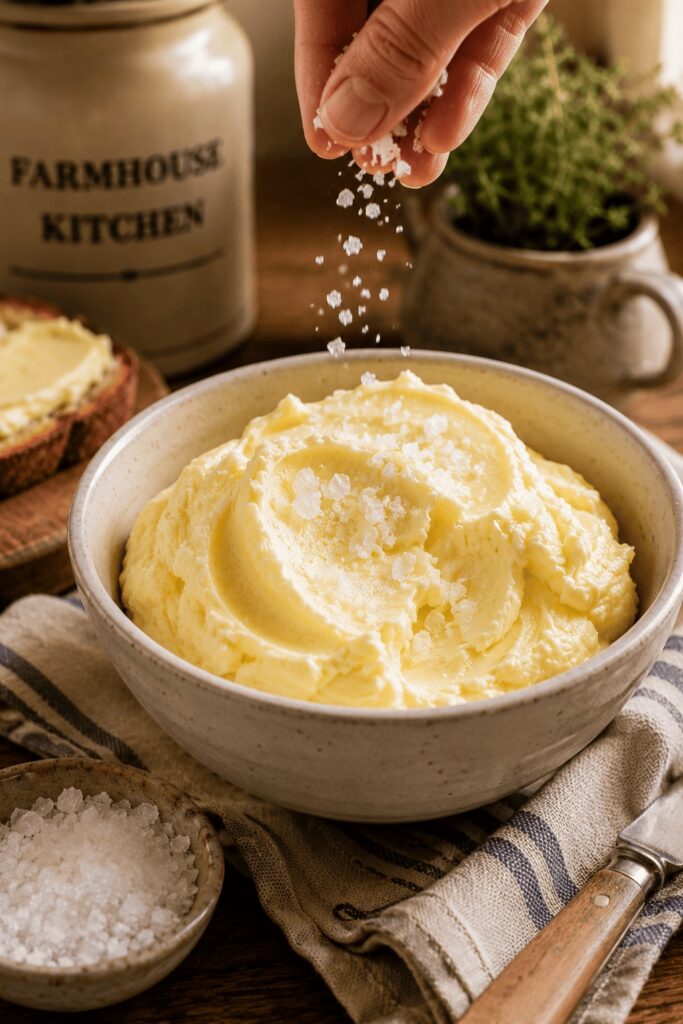
Step 7: Add Salt (Optional)
If desired, mix salt into the butter gradually to taste.
Salted butter develops a fuller flavor and usually stores slightly longer, while unsalted butter works especially well for baking.
Step 8: Shape and Chill
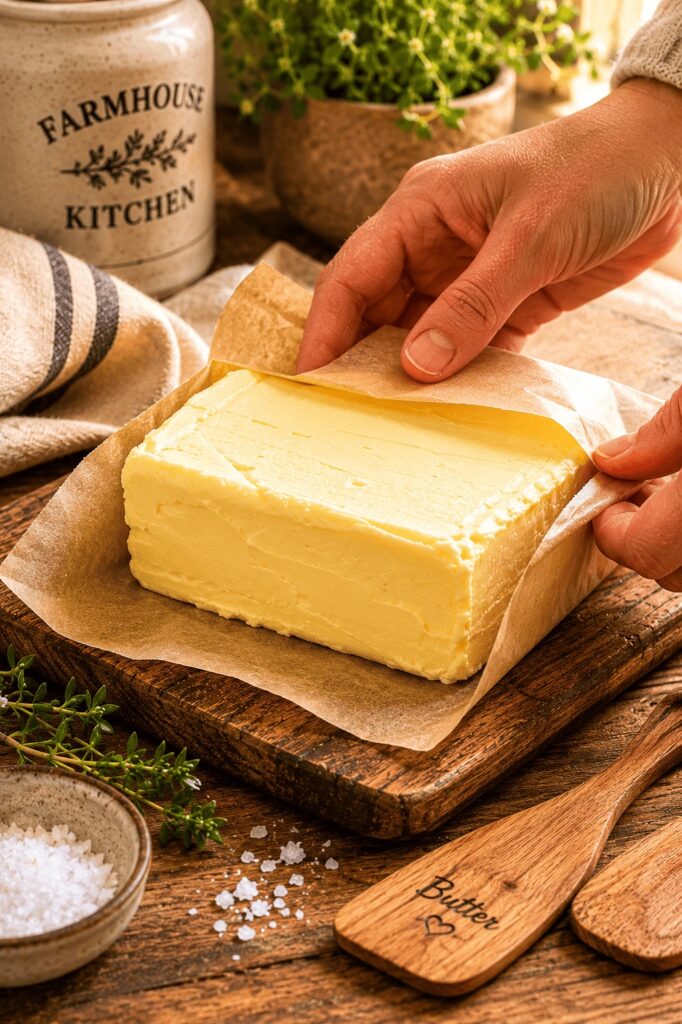
Shape the butter into blocks, logs, or small portions.
Wrap tightly or place into an airtight container and refrigerate until firm.
The texture becomes noticeably firmer after chilling for several hours.
How to Know When Homemade Butter Is Ready
Many beginners stop mixing too early because the cream already looks thick.
Properly finished butter should:
- Separate clearly from the liquid
- Hold together in soft clumps
- Feel smooth instead of fluffy
- Release very little cloudy liquid during washing
If the butter still feels overly soft or wet, it usually needs additional washing or kneading.
Remember that homemade butter firms up considerably after refrigeration.
Why Washing Butter Matters
Washing is one of the most important parts of making homemade butter properly.
Fresh butter naturally traps small amounts of buttermilk inside the fat. If too much liquid remains, the butter can spoil faster or develop sour flavors sooner.
Cold water washing helps:
- Remove excess buttermilk
- Improve shelf life
- Create cleaner flavor
- Produce firmer texture
Ice-cold water also helps the butterfat firm up faster, which makes shaping and kneading easier during the final stages.
Common Homemade Butter Problems
Butter Is Too Soft
This usually happens when:
- The kitchen is too warm
- Too much moisture remains
- The butter has not chilled long enough
Additional chilling usually fixes the texture.
Butter Tastes Sour Quickly
This often means too much buttermilk remained trapped inside the butter.
Additional washing and kneading usually improve freshness.
Butter Feels Crumbly
Overworking or overchilling can sometimes create a firmer, crumbly texture.
Allowing the butter to soften slightly before gently kneading usually improves consistency.
Butter Never Separates
This can happen if:
- The cream fat content is too low
- Mixing stopped too early
- The cream became too warm
Continuing to mix usually solves the problem.
Homemade Butter Variations
Garlic Butter
Mix softened butter with roasted garlic for bread, vegetables, potatoes, or steak.
Herb Butter
Fresh parsley, dill, thyme, or chives add freshness and depth of flavor.
Honey Butter
Honey creates a softer, sweeter butter that works especially well on toast, pancakes, muffins, or biscuits.
Lemon Butter
Fresh lemon zest adds brightness and pairs especially well with seafood or vegetables.
How to Store Homemade Butter
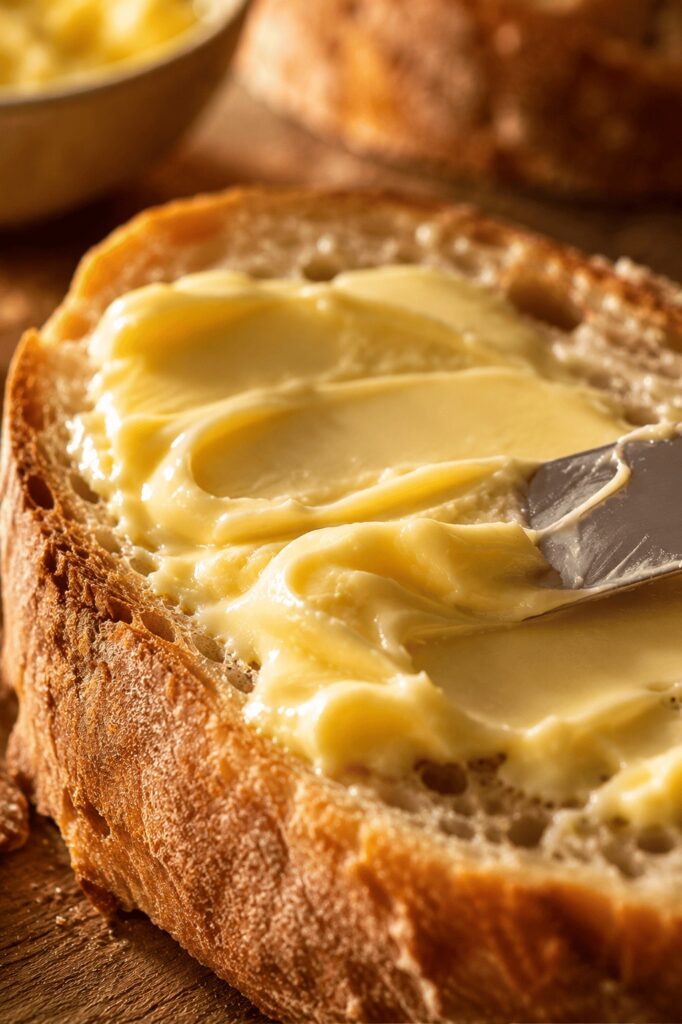
Store homemade butter in an airtight container in the refrigerator.
Refrigerator Storage
Homemade butter generally stays fresh:
- About 1 week unsalted
- Up to 2 weeks lightly salted
Proper washing helps improve freshness.
Freezing Homemade Butter
Homemade butter freezes very well.
Wrap tightly and freeze in smaller portions for easier use later.
Frozen butter maintains good quality for several months when stored properly.
Frequently Asked Questions
Can you make butter from milk?
Heavy cream works best because it contains enough butterfat to separate properly.
Why is homemade butter more yellow?
The color depends mostly on the cream and the cows’ diet. Grass-fed dairy often produces naturally deeper yellow butter.
Can homemade butter be whipped?
Yes. Softened homemade butter can be whipped into a lighter texture for spreading.
Is homemade butter better for baking?
Homemade butter works very well in baking, especially in biscuits, cakes, cookies, and pastries.
Can you flavor homemade butter?
Absolutely. Homemade butter works especially well with herbs, garlic, citrus zest, honey, and spices.
Final Thoughts
The first time you watch cream separate into fresh butter and buttermilk, the process feels surprisingly simple and satisfying. What starts as ordinary cream slowly transforms into rich homemade butter with fresher flavor and softer texture than many store-bought versions.
Once you understand the basic process, homemade butter becomes easy to repeat and customize. You can keep it simple, lightly salted, flavored with herbs, or adjusted specifically for baking and cooking.
More than anything, homemade butter shows how a few simple ingredients and basic technique can create something genuinely rewarding in the kitchen.
Homemade Butter
Learn how to make butter at home using just heavy cream and a few simple steps. This homemade butter recipe creates rich, creamy butter with fresher flavor and softer texture than many store-bought options, plus fresh buttermilk you can use for baking.
Ingredients
- 2 cups heavy cream or heavy whipping cream
- ¼ teaspoon salt (optional)
- Ice cold water for washing
Optional Add-Ins
- 1 to 2 teaspoons fresh herbs (parsley, dill, chives, or thyme)
- 1 to 2 teaspoons roasted garlic, mashed
- 1 to 2 teaspoons honey
- 1 teaspoon lemon zest
Instructions
1. Mix the Cream
Pour cold heavy cream into a large mixing bowl or stand mixer bowl. Begin mixing on medium speed.
2. Continue Mixing
Keep mixing until the cream thickens into whipped cream and eventually separates into butter clumps and buttermilk.
3. Drain the Buttermilk
Pour the mixture through a fine mesh strainer. Remove as much liquid as possible.
4. Wash the Butter
Place butter into ice-cold water. Press and fold gently. Replace water and repeat until mostly clear.
5. Remove Excess Moisture
Press gently to remove remaining water until butter feels smooth and cohesive.
6. Add Salt (Optional)
Mix in salt gradually if desired.
7. Shape and Chill
Shape into blocks or portions. Refrigerate until firm.
Notes
- Cold cream usually churns more consistently.
- Thorough washing improves freshness and shelf life.
- Homemade butter firms up significantly after refrigeration.
Storage
Store homemade butter in an airtight container in the refrigerator.
- Unsalted butter: about 1 week
- Lightly salted butter: up to 2 weeks
Nutrition Information:
Yield: 1 tablespoonAmount Per Serving: Calories: 100Total Fat: 11gSaturated Fat: 7gTrans Fat: 0.4gCholesterol: 30mgSodium: 1 mg (higher if salted)mgProtein: 0.1g
Nutrition information is an estimate and may vary depending on the exact ingredients, brands, and portion sizes used. This information is provided for general guidance only and should not be considered a substitute for professional nutritional advice.


